
History
Plastod’s century-old journey
The origin and ongoing evolution of our company over time: a detailed analysis of our most relevant milestones.
1915
Birth of Plastod
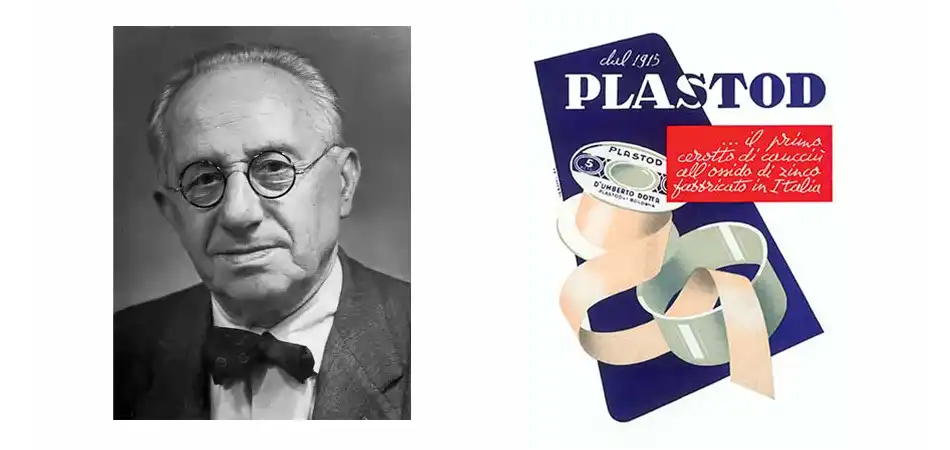
In April 1914, in a pharmacy in Genoa, the chemist Umberto Dotta learnt about a potential disruption in the import of rubber-based products, including wound dressings, from Germany. Anticipating a shortage, he began experimenting with adhesive formulas. Working from a small laboratory in Bologna, he successfully created his own adhesive plasters. His first products included corn plasters and zinc oxide adhesive bandages, which quickly gained popularity. He named his brand Plastod. By spring 1915, after months of trials and distribution to pharmacies and hospitals, the first orders arrived, marking the birth of the Plastod company.
1918
A new laboratory for industrial-scale production
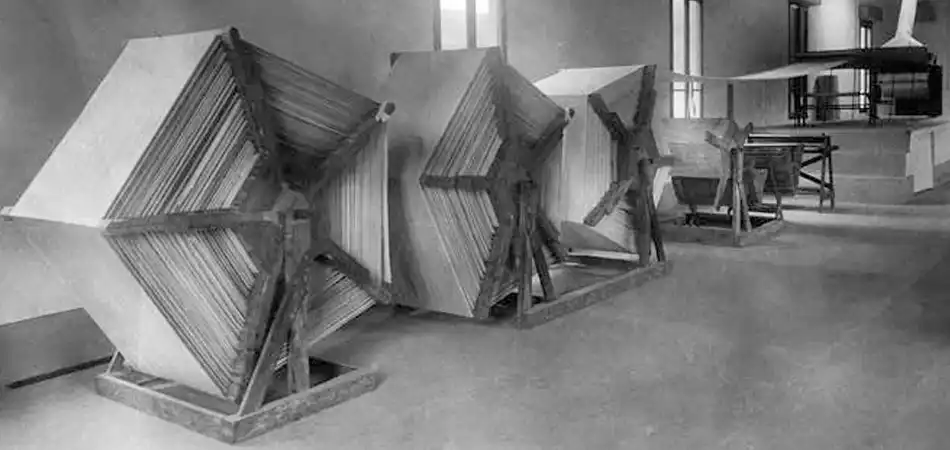
During World War I, imports from Germany ceased, creating a shortage of adhesive plasters for hospitals, pharmacies, and the Italian army. Recognising the urgent need, Umberto Dotta partnered with Bologna-based pharmaceutical company Fratelli Zabban to supply medical dressings to the Italian military. To meet this growing demand, he expanded production, setting up a larger laboratory in Bologna. There, he designed and built specialised machinery to mass-produce adhesive plasters. In just a few months, his small operation transformed into an industrial-scale production facility, supplying kilometers of adhesive bandages in convenient five-meter rolls.
1922
The manufacture of new bandages
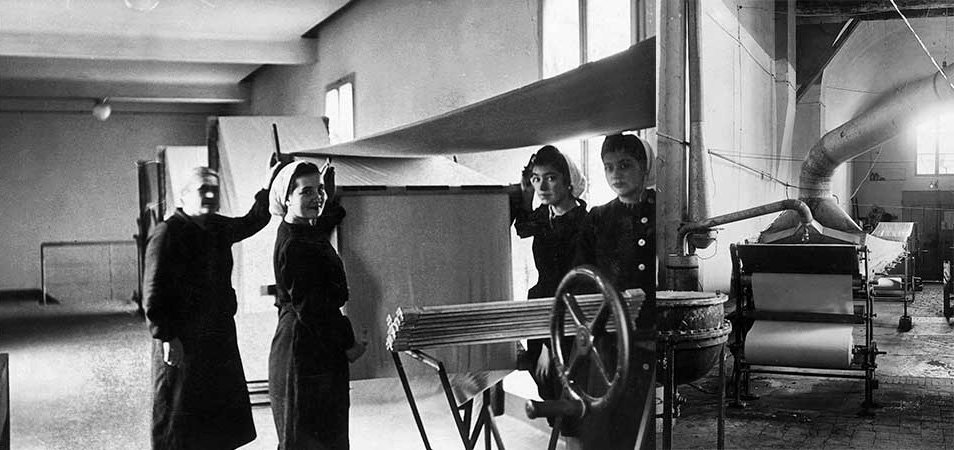
After World War I, Plastod relocated to a larger facility in Bologna, benefiting from modern steam-powered equipment essential for adhesive processing. The product range expanded to include plasters for muscle pain, umbilical and post-vaccination care, and Farmaplasto—a ready-to-use dressing with integrated gauze. Despite the turmoil of World War II and the heavy bombing of Bologna, Plastod continued its operations, overcoming significant challenges. The company’s resilience during these years ensured its survival and growth, reinforcing its reputation as a reliable manufacturer of medical adhesives.
1951
The establishment of Plastod Srl
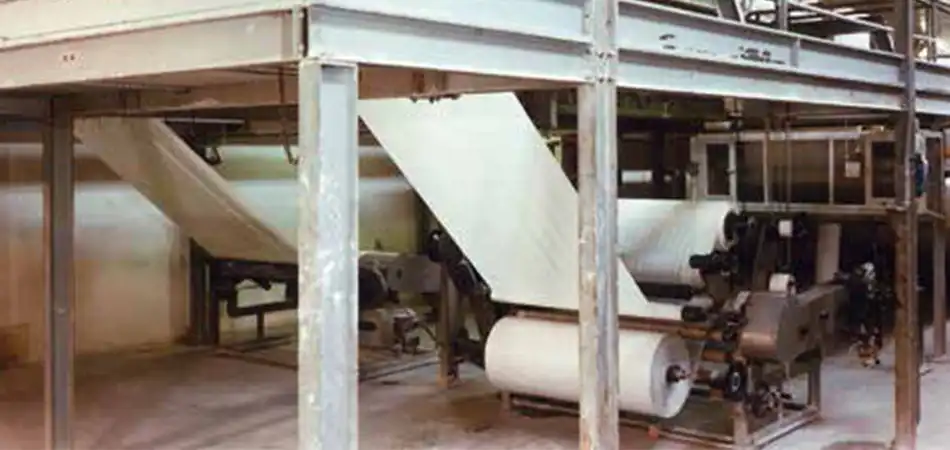
In 1951, Plastod transitioned from a sole proprietorship to Plastod Srl, welcoming first the wife of Umberto Dotta and, then, his children into the company. Giorgio Dotta, with a passion for engineering, modernised production by improving coating and drying techniques. His innovations included a solvent recovery system, significantly reducing waste. By the 1960s, Giovanni Dotta joined, helping expand operations and market reach. The 1970s saw Paolo Dotta take on technical and safety responsibilities, ensuring continued growth. The company evolved into a key player in the adhesive medical products industry, driven by a commitment to quality and innovation.
1973
Plastod as a subcontractor
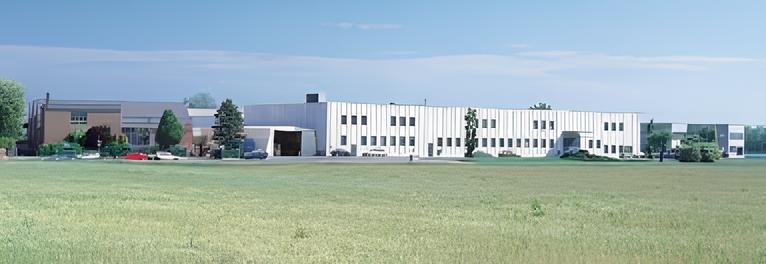
In 1973, Plastod relocated to a newly built factory in Calderara di Reno (Bologna) to support its industrial expansion and shifted focus to pharmaceutical and healthcare companies that needed adhesive bandages but lacked in-house production capabilities. This strategic pivot allowed Plastod to compete with multinational corporations by offering high-quality, innovative adhesives bandages. As a contract manufacturer, Plastod attracted international clients, becoming a trusted supplier known for technical expertise and product development. This transformation laid the foundation for a modern, efficient production system capable of meeting diverse customer needs.
1976
The invention of automatic machinery
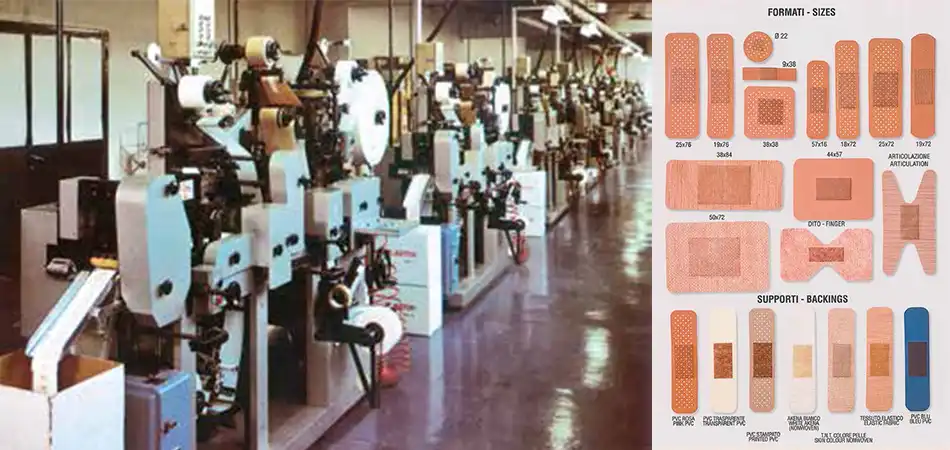
A major breakthrough came with the manufacture of pre-cut adhesive bandages, commonly known as “strips”. To meet growing demand, Giorgio Dotta designed an innovative automatic machine capable of producing over 400 strips per minute. This pioneering technology streamlined production, enhancing efficiency and output. Plastod’s reciprocating-motion machines proved so advanced that they were later sold to manufacturers in Germany and the United States. This innovation cemented Plastod’s reputation as a leader in adhesive bandage manufacturing, setting new industry standards for automation and precision.
1978
New materials for adhesive bandages
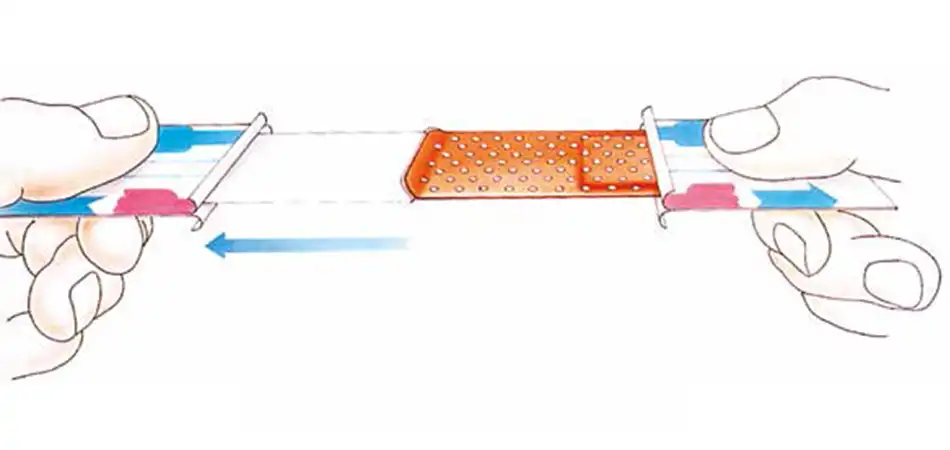
By the late 1970s, advancements in chemistry and technology introduced the use of new components for adhesive dressings. Traditional rubber-based adhesives were replaced by skin-friendly acrylic adhesives with improved durability. Cold-applied and hot-melt adhesive technologies emerged, offering greater flexibility. Non-woven fabrics gradually replaced traditional cotton tape, while advanced foams and materials revolutionised wound care. To adapt to these changes, Plastod established Meccanica Aldina Srl, a specialised engineering company that designed and built custom machinery. This in-house capability allowed Plastod to quickly respond to customer demands, reinforcing its position as an adaptable and innovative manufacturer.
1985
The construction of a cleanroom
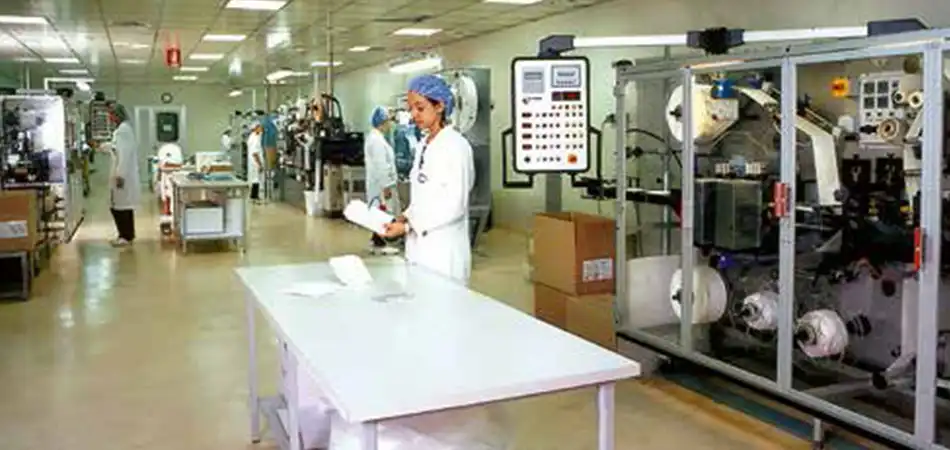
Plastod continued to evolve, pioneering new products such as the “Zip-Strip,” an advanced adhesive bandage. In the hospital sector, sterile adhesive dressings became the preferred choice for post-surgical wound care. By the mid-1990s, Plastod emerged as a leading European supplier for multinational healthcare companies. To meet growing demand, the company developed patented machinery and established a state-of-the-art cleanroom facility with strict environmental controls. This investment ensured compliance with medical standards while maintaining high production capacity, solidifying Plastod’s role as an industry leader.
1990
The production of advanced wound dressings
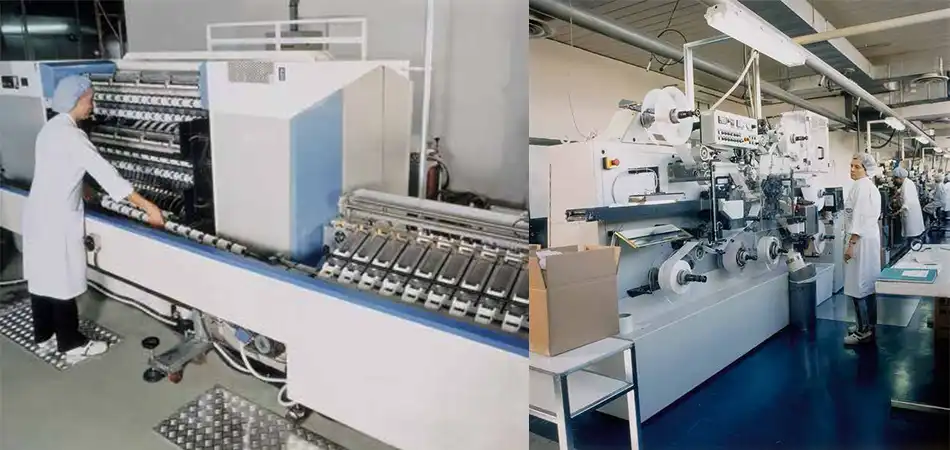
To further enhance efficiency, Plastod introduced high-speed rotary machines, also known as continuous-cycle machines, capable of producing thousands of perforated strips per minute. This innovation, unmatched in the industry, enabled precise and rapid manufacturing. The company also expanded into non-woven adhesive rolls, which replaced traditional tape-based plasters. By the late 1990s, Plastod successfully entered the advanced wound dressing market, offering high-performance medical solutions. The introduction of the CE mark in 1993 facilitated exports across Europe, streamlining regulatory compliance and boosting international sales. Plastod’s commitment to research and technological advancement positioned it as a global leader in medical adhesive production.
2015
Plastod’s hundredth anniversary
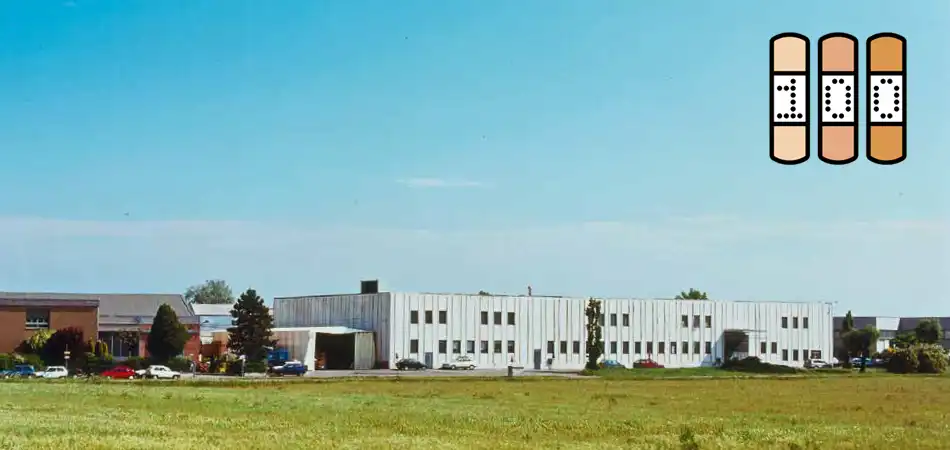
A century after its founding, Plastod has remained a family-driven company, led by the third generation of the Dotta family. The Calderara di Reno facility spanned over 5,000 square meters, housing the entire production cycle. With around 100 employees—75% in production—the company has manufactured hundreds of millions of sterile adhesive dressings annually. Over 80% of sales have come from international markets, generating an annual revenue of 18 million euros. Plastod has continued to innovate, optimising production processes while maintaining the highest quality standards. As a trusted partner for global healthcare brands, the company has remained dedicated to excellence and customer satisfaction.
2020
Plastod as a co-development partner
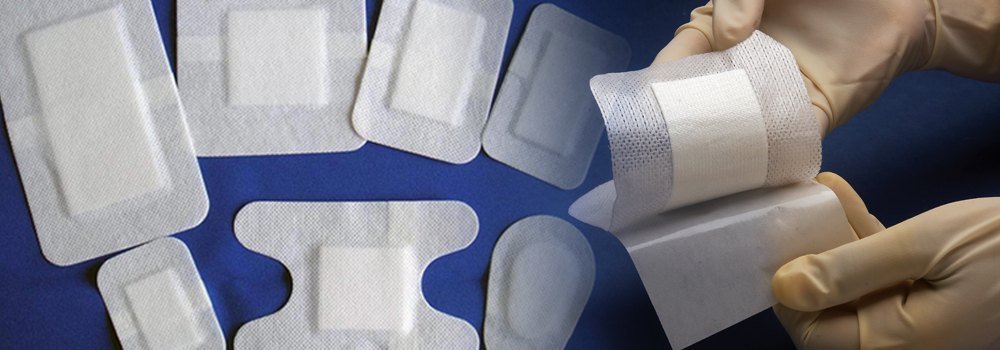
Plastod has grown into a global player, driven by a commitment to quality, efficiency, and innovation. The Calderara di Reno facility now spreads over 10,000 square meters, supporting advanced production technologies. With a century of expertise, Plastod continues to evolve, adapting to market demands and setting new benchmarks in adhesive medical solutions to enhance patients’ quality of life. The company’s dedication to research and excellence also aims to comply with international standards.
2025
A new visual identity
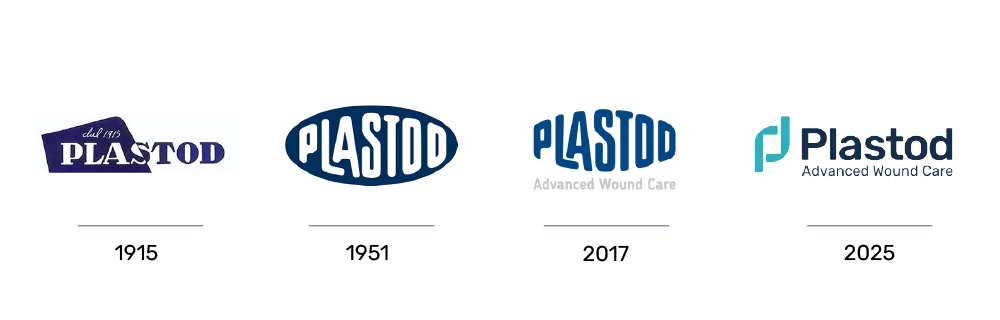
At Plastod, we felt the need to convey our core values, along with our vision and mission, through a clear, effective, and distinctive visual identity. For this reason, we have decided to transform our previous logo and introduce a new brand identity reflecting our commitment as co-developers to improve patients’ quality of life and foster innovation in wound care. Now, our logo is more versatile and can perfectly fit a wide range of applications, from paper to digital media. Plastod’s new visual identity features a richer colour palette, still linked with the previous shades, and a brand-new pictogram recalling both the first letter of our name and the traditional square shape of many dressings. The combination of the elements creating our symbol embodies the cooperation of our team with our clients to develop advanced wound care solutions. So, through this image, we represent the outcome of our partnerships as well as our strong bond with any of our clients.

